The Future of Education: Preparing Students for a Changing World
In an era where knowledge is abundant, but true wisdom is scarce, education must evolve to meet the challenges of an ever-changing world. As an educator dedicated to shaping the future, I have witnessed firsthand the impact that a strong, student-centered learning environment can have on young minds. Our goal should not be to simply fill students with information, but rather to equip them with the tools to think critically, solve problems creatively, and contribute meaningfully to society.
The Role of Educators in Shaping the Future
Teachers are more than just transmitters of knowledge; we are mentors, guides, and role models. In a time when technology is advancing rapidly, it is crucial that educators adapt their teaching methods to integrate digital learning while maintaining the personal connections that make education truly impactful.
Classrooms should be places of inspiration where students feel safe to express themselves, challenge ideas, and engage in meaningful discussions. When students feel valued and heard, their confidence and curiosity grow, paving the way for lifelong learning.
Beyond Academics: Fostering Holistic Development
Education should not be limited to academic excellence alone. A truly well-rounded education nurtures emotional intelligence, social skills, resilience, and adaptability. These skills are just as crucial as mathematical formulas and scientific theories, as they prepare students for the realities of the workplace and personal life.
By incorporating leadership programs, mentorship initiatives, and extracurricular activities, schools can play a vital role in developing responsible and compassionate individuals who are ready to navigate an unpredictable future.
Innovation in Education: The Path Forward
The world is rapidly changing, and so must our education system. Traditional rote learning is no longer enough. Instead, we must embrace innovative teaching strategies such as:
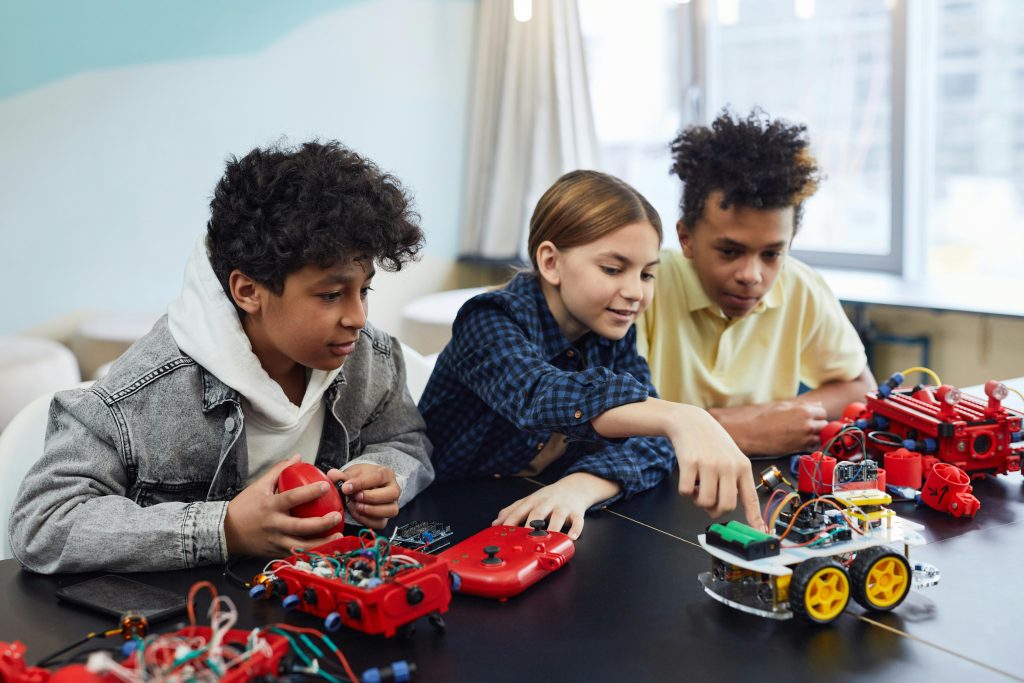
- Project-Based Learning (PBL): Encouraging students to solve real-world problems fosters critical thinking and collaboration.
- Technology Integration: Leveraging digital resources, artificial intelligence, and online platforms to enhance learning experiences.
- Personalized Learning: Tailoring education to each student’s unique strengths, weaknesses, and learning styles.
- Lifelong Learning Culture: Instilling a mindset of continuous self-improvement beyond the classroom.
Conclusion
As educators, we have a profound responsibility to prepare the next generation for a world that is vastly different from the one we grew up in. This requires a shift from traditional methods to dynamic, student-focused approaches that prioritize critical thinking, emotional intelligence, and adaptability.
The future belongs to those who can learn, unlearn, and relearn. If we are to create leaders, innovators, and problem-solvers, we must embrace a new vision for education—one that is rooted in purpose, passion, and progress.
I invite all educators, parents, and policymakers to join me in this mission. Together, we can build an education system that not only imparts knowledge but also shapes character and transforms lives.
User